The Festival with Kids
One of the best family astronomy experiences in the country — if you plan around the cold and the late hours.
Why It Works for Families
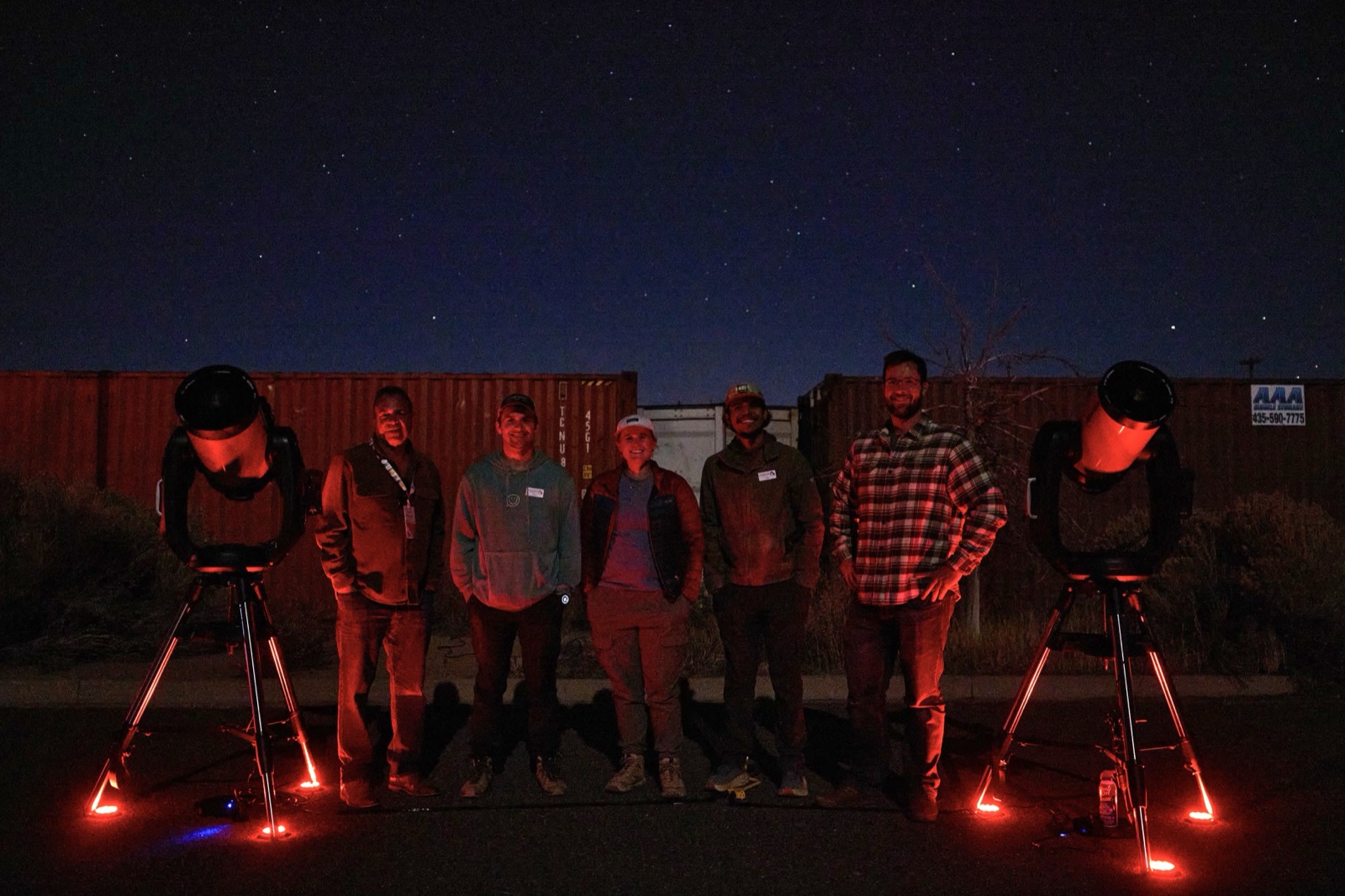
The Bryce Canyon Astronomy Festival might be the single best family astronomy experience in the country. It's free with park admission, it's built with kids in mind, and the moment a seven-year-old sees Saturn's rings through a real telescope is the kind of memory that quietly outlasts every theme park trip. But a festival that runs past midnight at 8,000 feet asks something of families. Here's how to do it well.
Junior Ranger Astronomy Activities
Bryce Canyon runs a year-round Junior Ranger program, and during festival week the astronomy content goes into overdrive. In the festival's typical format, daytime programming includes hands-on kids' activities — astronomy crafts, solar viewing through safely filtered telescopes, and ranger-led programs pitched at younger audiences. Ask at the visitor center on your first day for the Junior Ranger booklet and that day's kid-focused schedule; programs vary year to year, so confirm details at nps.gov/brca.
The Junior Ranger badge is a genuinely great festival anchor: it gives kids a mission during the slower daytime hours and primes them with the vocabulary — planets, light pollution, why dark skies matter — that makes the nighttime telescope fields land harder.
Telescope Etiquette for Kids
The telescope fields are run by volunteer astronomers sharing their personal equipment, and a 10-second briefing in the car saves everyone grief. Teach kids the four rules:
- Look, don't touch. Hands behind your back at the eyepiece. Bumping a telescope ruins the alignment the owner spent half an hour dialing in.
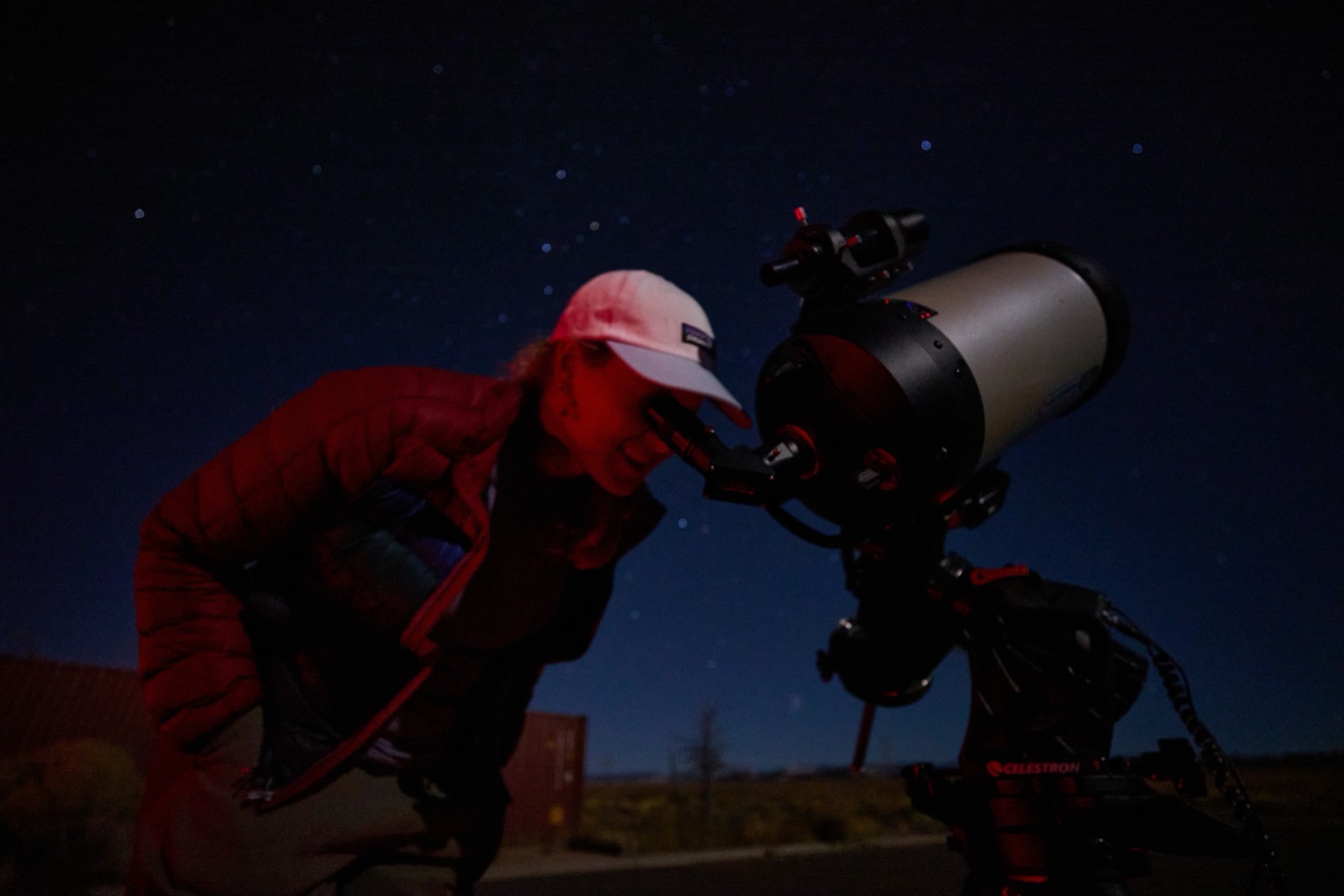
- No white lights. Phones, tablets, and regular flashlights destroy everyone's night vision for 20+ minutes. Use a red light only (cover a flashlight with red tape if needed).
- Step up, look, step aside. Lines move fast when each viewer takes their turn and moves on. Kids can absolutely ask questions — astronomers love them — just from beside the scope, not on it.
- Walk, don't run. A dark field is full of tripod legs, cables, and very expensive glass.
Practical tip for small kids: many telescopes sit at adult eye height. A lightweight folding step stool earns its place in the trunk many times over.
Keeping Kids Warm and Awake
The two failure modes of a family festival night are cold and crash — usually in that order, around 11 p.m. June nights on the rim drop to 35–45°F (full details in planning your visit), and kids radiating heat into a camp chair get cold faster than walking adults.
Winter hat, gloves, insulated jacket, and long pants for every kid — in June, yes. Add a blanket or sleeping bag per child for the sitting-still parts (talks, constellation tours), and a thermos of hot chocolate, which doubles as a morale tool at hour three.
Shift the day: sleep in, take a quiet afternoon rest at the room or campsite, eat dinner late. Treat the festival night like a red-eye flight you're training for. A kid who napped at 3 p.m. is a delightful telescope companion at 11.
What Kids Actually See
Set expectations the fun way before you go. Through festival telescopes, kids typically get the night sky's greatest hits: the rings of Saturn (the reliable jaw-dropper), Jupiter with its moons strung out in a line, craters along the moon's terminator if it's up early in the week, and fuzzy-but-real star clusters and nebulae. With the naked eye alone, the Milky Way is bright enough at Bryce that many kids initially mistake it for clouds — which makes for a great reveal. A simple free star app explored at home before the trip turns the constellation tour from a lecture into a scavenger hunt they're already winning.
The Best Family Schedule
Easy rim viewpoint walk while it's warm; Junior Ranger booklet at the visitor center.
Solar viewing and kids' festival activities. Lunch, then back to lodging.
Quiet time or nap. This is the step families skip and regret.
Late dinner, layer up, head into the park before sunset to park or catch the shuttle (see getting there).
Telescope field first while energy is high; ranger constellation tour if you snagged a spot.
Leave on a high note. One great hour beats three declining ones.
With young kids, plan one big festival night, not three. Use the other evenings for sunset at the rim and early bedtimes — or, with older kids, a private guided stargazing tour, where a patient guide and a dedicated telescope mean your kids get unhurried eyepiece time and every "why" answered. It's the gentler version of the festival night, and for many families the better one. More in beyond the festival.
A Telescope Night at Your Family's Pace
Bryce Canyon Stargazing runs small-group guided tours where kids get real time at the eyepiece — no lines, no rush, every question answered.
Plan a Family Tour NightMore Planning Help
- Festival Guide — the full day-by-day rhythm
- Planning Your Visit — lodging and the June packing list
- Festival FAQ — including the kids-and-bedtime questions